

Har Ki Pauri — History, Timings & What to See Nearby (Brahma Kund, Mansa Devi, Chandi Devi, Shantikunj)
A practical, devotion-first guide to Haridwar’s most sacred ghat — the legend of Brahma Kund, daily snaan and aarti timings, and the temples, ashrams and bazaars that sit within a short auto ride. Written for first-time pilgrims and repeat yatris alike.
1. Why Har Ki Pauri Is Haridwar’s Soul
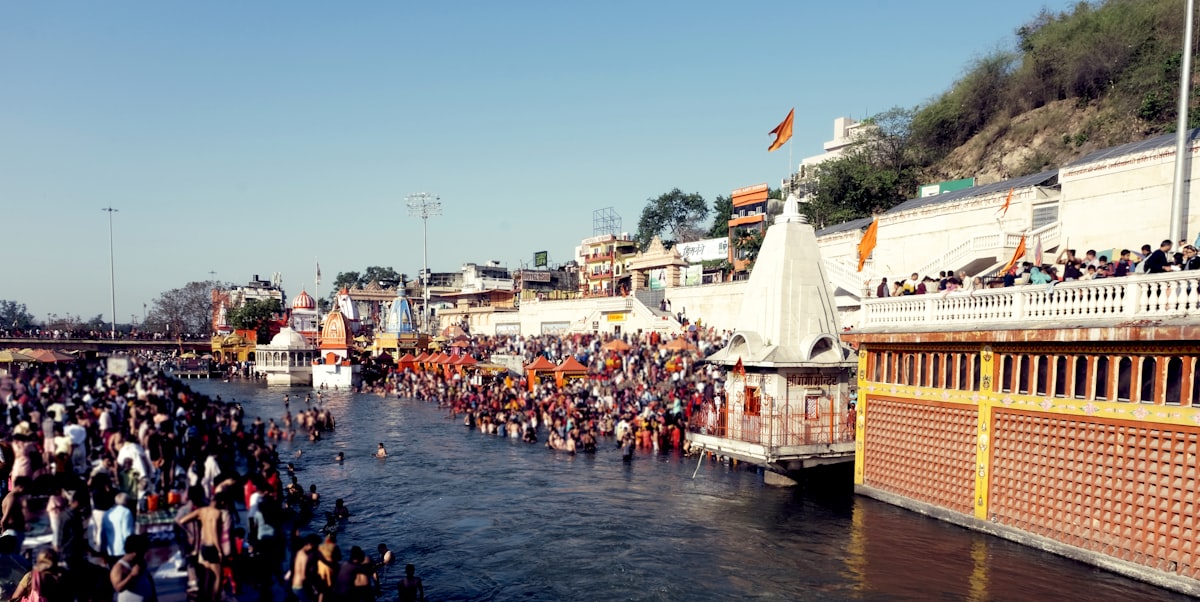
Ask anyone in Haridwar where the city’s heart beats and the answer is the same: Har Ki Pauri. Translated as “the steps of Hari” — a name for Lord Vishnu — this riverside ghat is more than a bathing site. It is the place where, according to scripture, the Ganga first touches the plains after her long descent from Gangotri; the place where a single drop of amrit (nectar) fell during the cosmic churning of the ocean; the place where every devout Hindu hopes to bathe at least once in a lifetime.
The ghat sits on a man-made channel of the Ganga, separated from the main river to allow safe bathing. Stone steps descend into the cool, fast-moving current; iron chains run along the edge so pilgrims can hold on as they take the holy dip, called snaan. By evening, the same steps fill with thousands of worshippers for the Ganga Aarti — one of the most photographed rituals in India.
If you are staying at Ganga Harmony, Har Ki Pauri is barely a ten-minute auto-rickshaw ride away. Many of our guests visit twice in a single day: an early-morning snaan when the ghat is calm, and the evening aarti when it is at its most electric. This guide will help you plan both, and show you which sacred spots to weave in around them.
2. The Legend — Vishnu’s Footprint & Brahma Kund
The story of Har Ki Pauri begins in the Skanda Purana. After Lord Vishnu performed great penance here, he is said to have left a footprint imprinted on a stone — still visible today within the ghat’s upper enclosure. The Sanskrit name Hari ki Pairi literally means “Hari’s footprint”, and over centuries the local pronunciation softened into the familiar Har Ki Pauri.
The most sacred part of the ghat is a small bathing tank known as Brahma Kund. Tradition holds that this is the exact spot where a drop of amrit fell from the celestial pitcher (kumbh) during the great churning of the cosmic ocean — the same legend that gives the Kumbh Mela its name. Bathing in Brahma Kund during the auspicious Brahma Muhurat (roughly 4:00–5:30 a.m.) is believed to free the soul of accumulated karma and grant moksha.
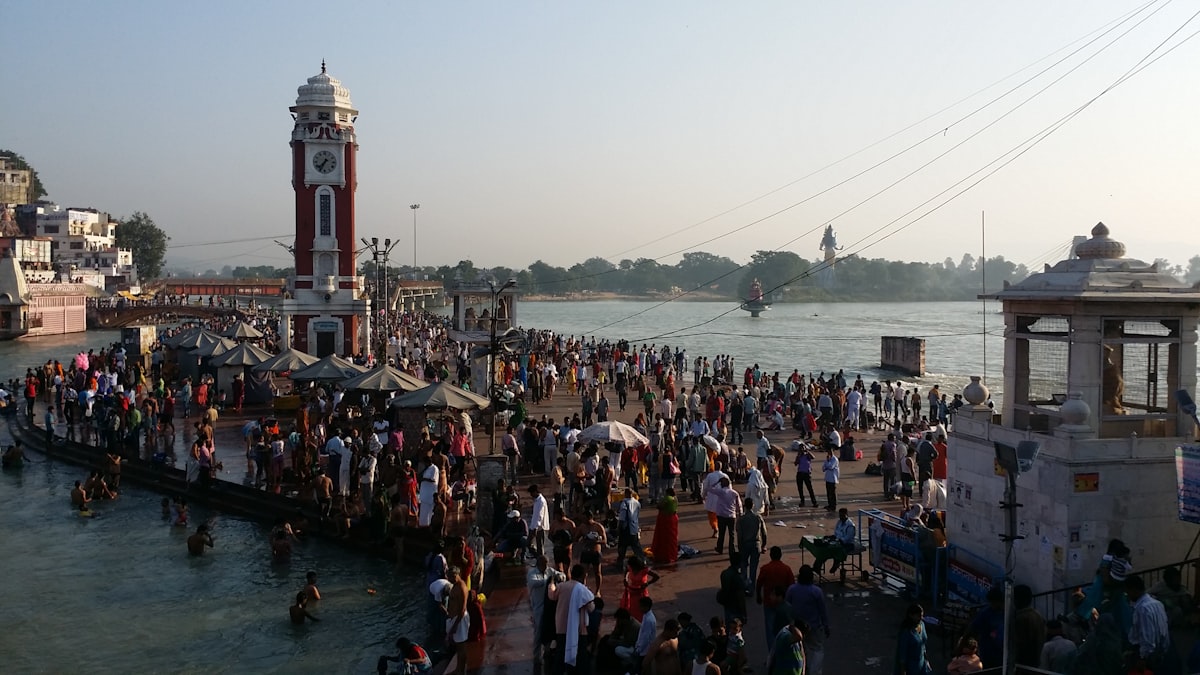
King Vikramaditya is credited with first building stone steps here in the 1st century BC, in memory of his brother Bhartrihari, who meditated by these waters. Successive dynasties — Mughals, Marathas, and the British — restored and expanded the ghat. The clock tower you see today, with the iconic temple of Goddess Ganga at its base, was added in the early 20th century by Pandit Madan Mohan Malaviya and the rulers of Bikaner.
3. Timings — Aarti, Snaan Hours, Crowd Peaks by Season
Har Ki Pauri never truly closes — the ghat is open 24 hours and devotees come and go through the night — but there are three rhythms worth planning around: the dawn snaan, the evening Ganga Aarti, and the seasonal pilgrimage peaks.
| Ritual | Summer (Apr–Oct) | Winter (Nov–Mar) | Notes |
|---|---|---|---|
| Morning Aarti (Mangla Aarti) | ~5:30 a.m. | ~6:00 a.m. | Smaller crowd, intimate atmosphere |
| Brahma Muhurat snaan | 4:00–5:30 a.m. | 4:30–6:00 a.m. | Most spiritually charged dip |
| Evening Ganga Aarti | ~6:45–7:15 p.m. | ~5:45–6:15 p.m. | Arrive 45+ minutes early |
| Best photo light | 5:30–7:30 a.m. / golden hour | 6:30–8:30 a.m. | Avoid harsh midday glare |
Crowd peaks by season: Expect very heavy footfall during Kanwar Mela (July–August), Somvati Amavasya, every Monday in Shravan, and the four Kumbh-related Snan Parvas. Magh and Kartik months bring serene, manageable crowds — ideal for first-timers. Winter weekday mornings between November and February are the quietest of all.
Practical tip: Cloakrooms and shoe stands sit at every entrance to the ghat. Carry a small dry-bag for your phone, keep cash in a zipped pocket, and never leave belongings unattended on the steps. Ganga Harmony’s reception can arrange a trusted local guide for your first visit on request — see our contact page.
4. Mansa Devi — Wish-Fulfilling Temple on the Hill
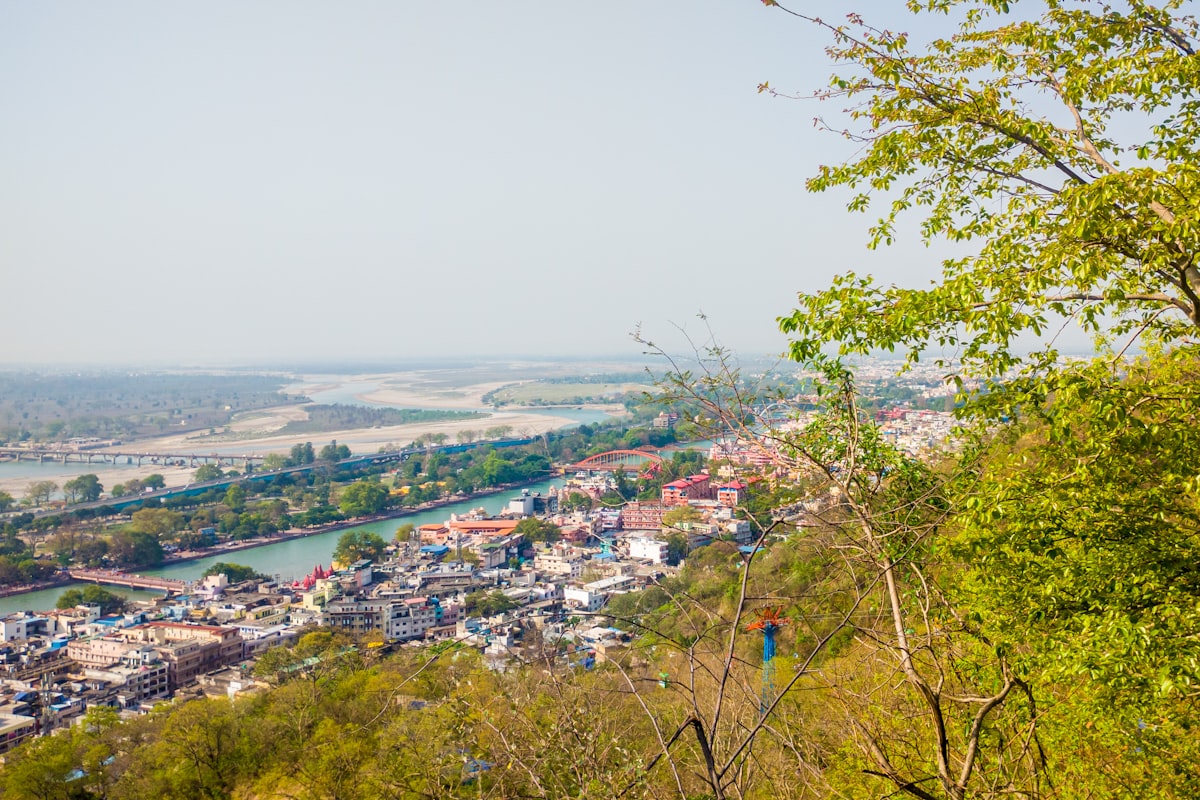
Rising directly above Har Ki Pauri on the Bilwa Parvat is the temple of Mansa Devi — the goddess who fulfils wishes (mansa means “desire” in Sanskrit). It is one of the three Siddha Peeths of Haridwar, and the most visited temple in the city after Har Ki Pauri itself.
You have two ways up: a brisk 1.5-kilometre stepped trail through forest (allow 30–45 minutes, good for the fit and devout), or the Mansa Devi Udan Khatola — a cable car that swings you to the summit in under five minutes. Round-trip tickets are modestly priced; queues are longest between 10 a.m. and 1 p.m.
Inside the temple, devotees tie red and yellow threads to a sacred tree in the courtyard while making a wish. Once the wish is granted, tradition asks them to return and untie the thread — a quietly beautiful gesture of gratitude. The view from the temple terrace is reason enough to climb: the entire course of the Ganga curving past Har Ki Pauri, Shantikunj and the green Rajaji forests stretching south.
Combine Mansa Devi with an evening descent timed to reach the ghat by 6:00 p.m. for the Ganga Aarti — a near-perfect afternoon. (Our companion Ganga Aarti guide covers timing and seating in detail.)
5. Chandi Devi, Maya Devi & the Siddha Peeth Circuit
Haridwar is one of the rare cities where three Siddha Peeths — temples of fulfilled aspirations — stand within a single skyline. Together with Mansa Devi, they form a circuit that many pilgrims complete in a single day.
Chandi Devi sits atop Neel Parvat on the eastern bank of the Ganga, roughly four kilometres from Har Ki Pauri. The temple, dedicated to Goddess Chandi (a fierce form of Durga), was rebuilt in 1929 by the Maharaja of Kashmir, though the murti is believed to have been installed in the 8th century by Adi Shankaracharya. A cable car climbs the hill in about ten minutes; the trek route takes around an hour through scrub forest with a chance of langur sightings.
Maya Devi, the oldest of the three, dates to the 11th century and stands a short walk from Har Ki Pauri itself. It is one of the 51 Shakti Peethas, marking the spot where, according to legend, the heart and navel of Goddess Sati fell. Many locals consider Maya Devi the presiding deity of Haridwar — the city was originally called Mayapuri in her honour.
If you have only half a day for temples, the ideal sequence is: morning trek to Mansa Devi, midday cable car or auto to Chandi Devi, then a short rickshaw ride back to Maya Devi before the evening aarti at Har Ki Pauri. Plan to be at the ghat by 5:30 p.m. in winter, 6:15 p.m. in summer.
6. Shantikunj, Bharat Mata Mandir, Daksh Mahadev
Beyond the temple hills, Haridwar holds three landmarks that round out a thoughtful visit.
Shantikunj, about six kilometres upstream on the Rishikesh road, is the headquarters of the Gayatri Pariwar — a vast spiritual and social-service movement founded by Pandit Shriram Sharma Acharya. The campus is open daily from roughly 5:00 a.m. to 8:30 p.m., and visitors are welcome to attend the morning yagna, walk through the meditation gardens, and tour the small museum on Indian rishis. No tickets, no rush — just take off your shoes and let the place quiet you.
Bharat Mata Mandir, an eight-storey temple inaugurated in 1983 by Swami Satyamitranand Giri, is unique in India: each floor honours a different aspect of the nation — saints, freedom fighters, mothers of valour, deities, and finally a panoramic terrace with views to the Himalayas on a clear day. It sits a short auto ride north of Har Ki Pauri, just before Shantikunj.
Daksh Mahadev Temple, in Kankhal (about four kilometres south), marks the site of King Daksha’s yagna — the legendary fire-sacrifice where Goddess Sati immolated herself. It is one of the most ancient Shiva temples in north India and a quieter, more reflective stop than the busier ghats. Pair it with a visit to the nearby Anandamayi Ma Ashram and the Sati Kund.
7. Markets & Food Around Har Ki Pauri
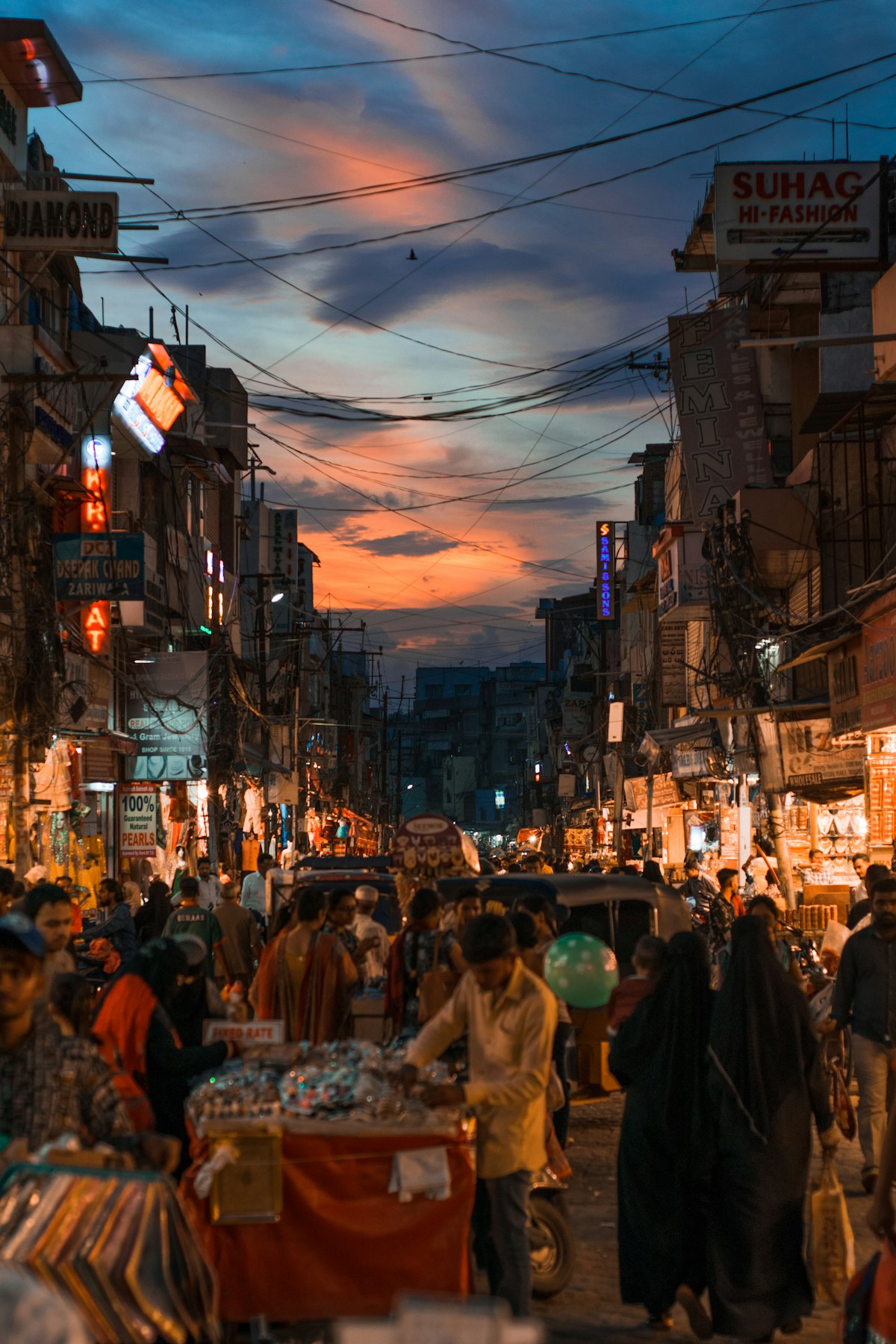
The lanes leading off Har Ki Pauri are a sensory bazaar in their own right. Bara Bazaar and Moti Bazaar are the two main arteries — narrow, walkable, and packed with shops selling brass puja-thalis, rudraksha mala, copper kalash, dried fruits, and bottles in every conceivable shape for carrying Gangajal home. Bargain politely; most shopkeepers expect it.
For food, Haridwar is a strictly vegetarian (and largely no-onion-no-garlic) city — and proud of it. Don’t miss the kachori-sabzi breakfast at Mohanji Puri Wale (a Haridwar institution for over a century), the aloo-puri thali at Hoshiyar Puri, the chhole-bhature at Bhagwati Chowk, and the silky-thick lassi served in clay kulhads near the Subhash Ghat entrance. Save room for peda and mathura ka rabri from any of the small sweet shops along Upper Road.
If you need a calmer sit-down meal, the Chotiwala branch on Railway Road and Big Ben Restaurant in Sapt Sarovar are reliable favourites. Most kitchens close by 10:00 p.m., so plan dinner early.
8. Where to Stay — Ganga Harmony, 10 Minutes Away
Ganga Harmony is a quiet, family-run stay tucked just far enough from the ghats that you can sleep peacefully, yet close enough that a ten-minute auto reaches Har Ki Pauri before the morning crowd arrives. Our rooms are simple, clean, and built for yatris — soft beds, hot water in winter, fans for warm nights, and a kitchen that serves the kind of food you would eat at home.
For travellers building a longer pilgrimage, Haridwar is the natural launchpad. Our companion guides cover the Char Dham yatra from Haridwar, the Yamunotri journey, the Gangotri leg, and the higher-altitude Badrinath darshan. Whether you have three days or three weeks, Har Ki Pauri is the right place to begin.
Ready to plan your Haridwar stay?
Walk to Har Ki Pauri before sunrise. Return to a peaceful room and a home-cooked meal. Repeat for as many days as your heart asks.
Check availability|| Har Har Gange ||