
Monsoon Char Dham 2026 — Should You Go? Safety Guide (Landslides, Closures & Contingency Plan)
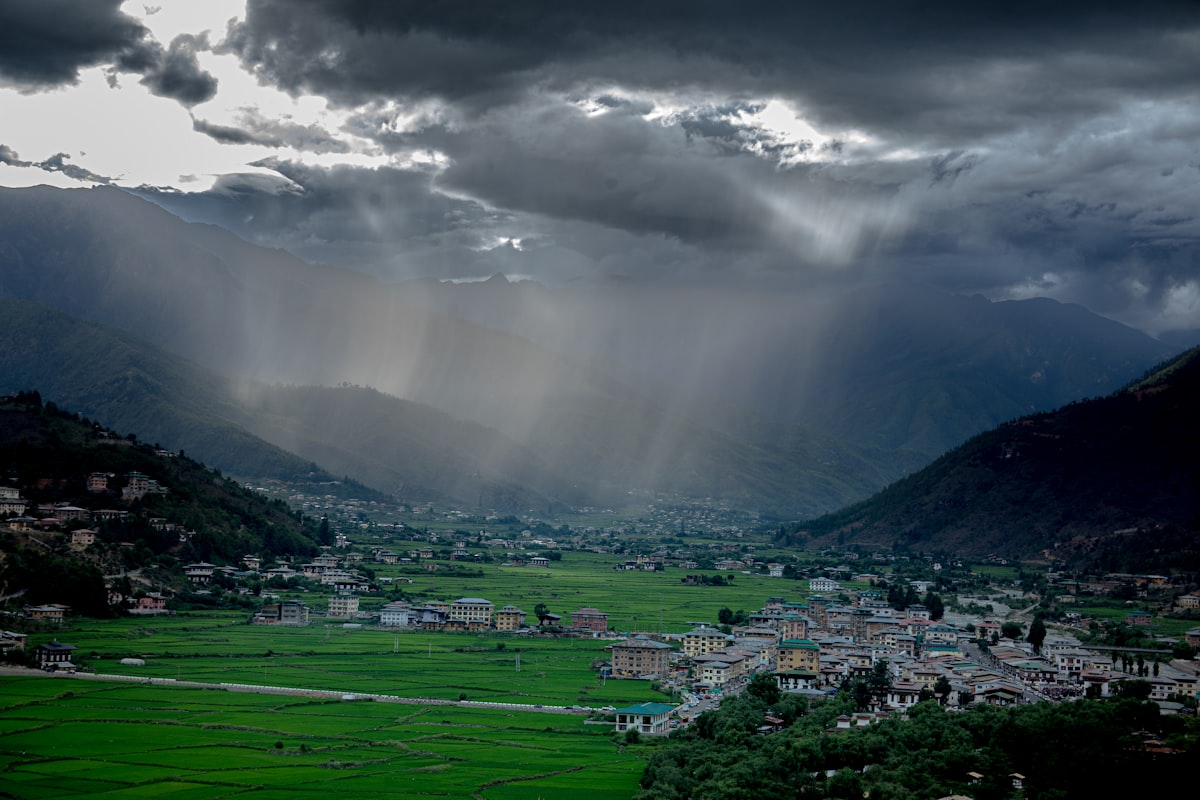
Every year, thousands of pilgrims attempt the Char Dham Yatra during the monsoon months of July and August — some out of urgency, some unaware of what the season truly brings. This guide gives you an honest, ground-level picture so you can make a safe, informed decision.
1. Should You Attempt Char Dham in Monsoon? An Honest Risk Assessment
The short answer is: it is possible, but it demands preparation, flexibility, and a genuine willingness to turn back. The Char Dham shrines — Yamunotri, Gangotri, Kedarnath, and Badrinath — are located between 3,000 m and 3,900 m in the Garhwal Himalayas, a region that receives some of the heaviest orographic rainfall on the subcontinent between late June and mid-September. The temple doors are open during the monsoon, but the roads that reach them are at their most vulnerable.
Unlike the pre-monsoon (May–June) or post-monsoon (October) windows — which are the classic yatra seasons — July and August bring daily rainfall, swollen rivers, soft soil, and dramatically reduced visibility. The Uttarakhand Disaster Management Authority (USDMA) records an average of 40–60 significant landslide events along the Char Dham corridor every monsoon. That is not a number to take lightly.
That said, thousands complete the yatra safely each monsoon year, often because they built in buffer days, stayed informed, and based themselves at a stable town like Haridwar rather than pushing into fragile terrain ahead of schedule. If you plan wisely, the monsoon yatra is not reckless — it is simply a different kind of journey, quieter and more contemplative, shorn of the peak-season crowds.
2. Why the Route Gets Dangerous — Topography & Cloudbursts
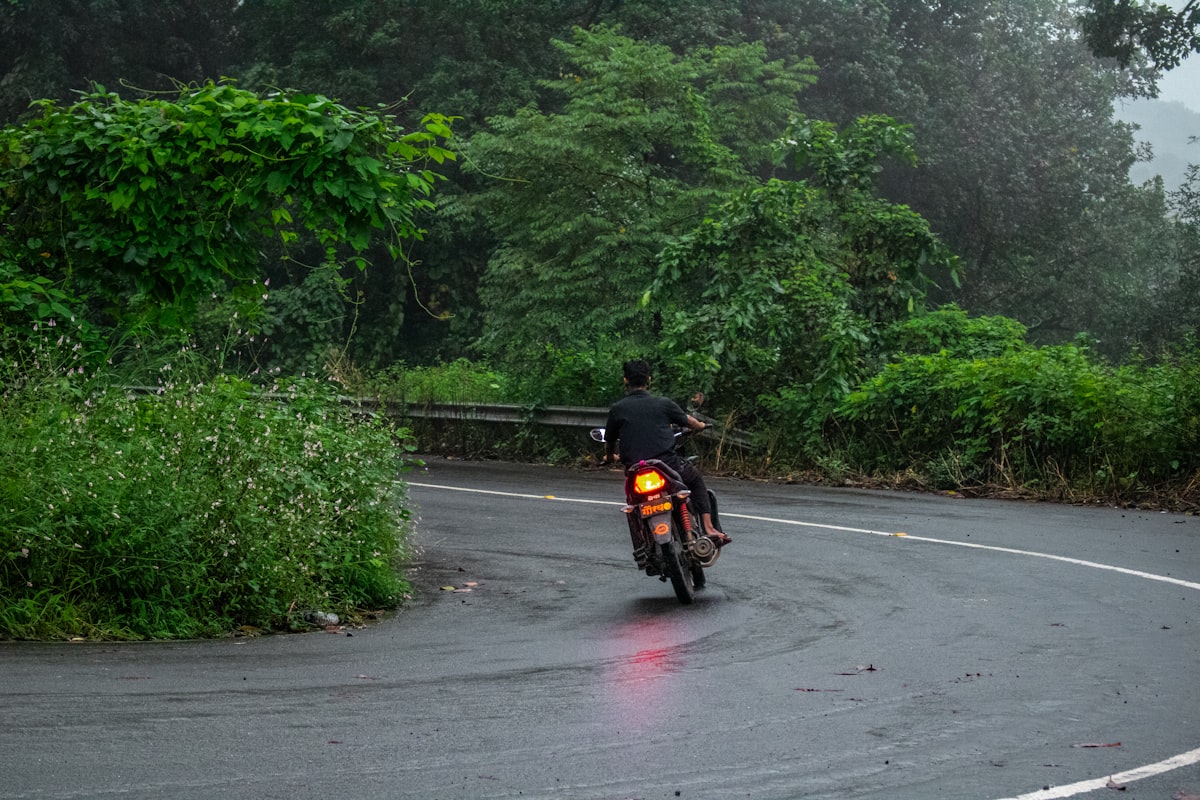
The four dhams are linked by a single-lane mountain highway — NH 94, NH 108, NH 58, and the Kedarnath motor road — that clings to steep ridges and river gorges. During monsoon, this topography turns adversarial. Rainfall does not simply fall on the road; it saturates entire hillsides above the road. When a cloudburst delivers 80–120 mm of rain within two hours (not uncommon in July), the overloaded soil mass gives way, sending rocks, mud, and debris onto the carriageway in seconds.
The Mandakini, Alaknanda, and Bhagirathi rivers rise 4–6 metres above their pre-monsoon levels. Bridges that look comfortable in May are inches from the waterline in August. The stretch from Sonprayag to Gaurikund (the last road point before the Kedarnath trek) is among the most landslide-prone segments in Uttarakhand and has been blocked for days at a time every monsoon for the past decade.
- Lambagad to Uttarkashi — narrow gorge, frequent rockfall
- Tilwara to Rudraprayag — debris flows from Kedarnath valley
- Sonprayag to Gaurikund — the single most blocked segment
- Badrinath Highway near Pandukeshwar — glacial melt + rain combination
- Janki Chatti approach (Yamunotri) — loose shale slopes
Cloudbursts are especially treacherous because they are hyper-local and unforeseeable even three hours in advance. Standard weather apps showing “moderate rain” for a district may miss a cloudburst five kilometres away on a ridge. This is why local radio, the BRO helpline, and Uttarakhand Tourism’s Yatra Sahayak app are more useful than national forecasts when you are on the road.
3. What Actually Closes — Yatra Suspensions, Route Diversions & Heli Cancellations
During a significant landslide or after a red-alert rainfall warning, the Uttarakhand government suspends yatra registration for the affected dham — sometimes for 24 hours, sometimes for a week. Suspension is not informal: it is a formal government order, and police checkpoints at Rishikesh and Haridwar will stop vehicles that lack valid registered slot dates.
Helicopter services to Kedarnath are the first to close when cloud ceiling drops below 2,500 m — which happens virtually every afternoon in monsoon season. Morning slots (6–9 AM) are the only reliable windows. By 10 AM, most operators ground all flights on rainy days. Budget for at least two extra nights near the helipad.
Route diversions add 2–5 hours and involve roads that are narrow, unpaved in sections, and unfamiliar to most drivers. GPS navigation often fails on them because map databases are outdated. Always ask your driver whether they have driven the diversion route before.
- Uttarakhand Tourism Helpline: 0135-2559898
- BRO Road Clearance (NH 58/94/108): 1800-180-3434
- Kedarnath Heli Portal: heliyatra.irctc.co.in
- SDRF Uttarakhand on X for real-time rescue updates
4. If You Must Go — Safest Windows & Micro-Weather Tips
The safest windows within the season are the last week of June, the brief lull in late July that sometimes opens for 4–6 days, and the first week of September. The worst statistical period for landslides is the third week of July to the second week of August — avoid this window if you have any flexibility.
Travel between 4 AM and 11 AM. Mountain roads clear debris overnight via BRO machinery, and rain typically peaks between 2 PM and 8 PM. Pilgrims who leave after 10 AM are routinely caught in blockades that last into the next morning.
Check IMD’s 10-day extended range forecast before leaving Haridwar. Look specifically for “orange alert” or “red alert” days on your route — reschedule by one day if either alert is active.
Our 7-day Char Dham itinerary includes a two-day buffer specifically designed for monsoon contingencies — a luxury that pilgrims who compress the yatra into five days simply do not have.
5. Essential Monsoon Packing — Waterproofing, Footwear & Meds
Dry Bag + Poncho
A roll-top dry bag for electronics and documents is non-negotiable. A hooded poncho covering your backpack keeps both you and your gear dry while climbing.
Ankle-Support Trek Shoes
Rubber-soled trekking shoes with ankle support, not sandals. The Kedarnath and Yamunotri treks become extremely slippery in rain. Gaiters add meaningful mud protection.
Altitude + Stomach Kit
ORS sachets, Diamox (consult your doctor), Imodium, broad-spectrum antibiotic, OTC antihistamine, and a thermometer. Monsoon exposes pilgrims to waterborne illness.
Offline Maps + Power
Download Google Maps offline for all dham areas. Carry a 20,000 mAh power bank — electricity outages during storms are common and charging points vanish on trek paths.
Pack light. Every extra kilogram matters on a rain-slicked 18-km Kedarnath trek. Leave decorative temple clothes — they will be ruined in the first hour. Many pilgrims buy simple woollen shawls at Gaurikund and Janki Chatti; vendors price them reasonably for the monsoon season.
For senior pilgrims, the monsoon makes trek segments categorically more difficult. A September departure after the monsoon retreat is strongly advised. Families with children should similarly weigh uncertainty and physical demands carefully.
6. Contingency Plan — Where to Wait Out a Landslide
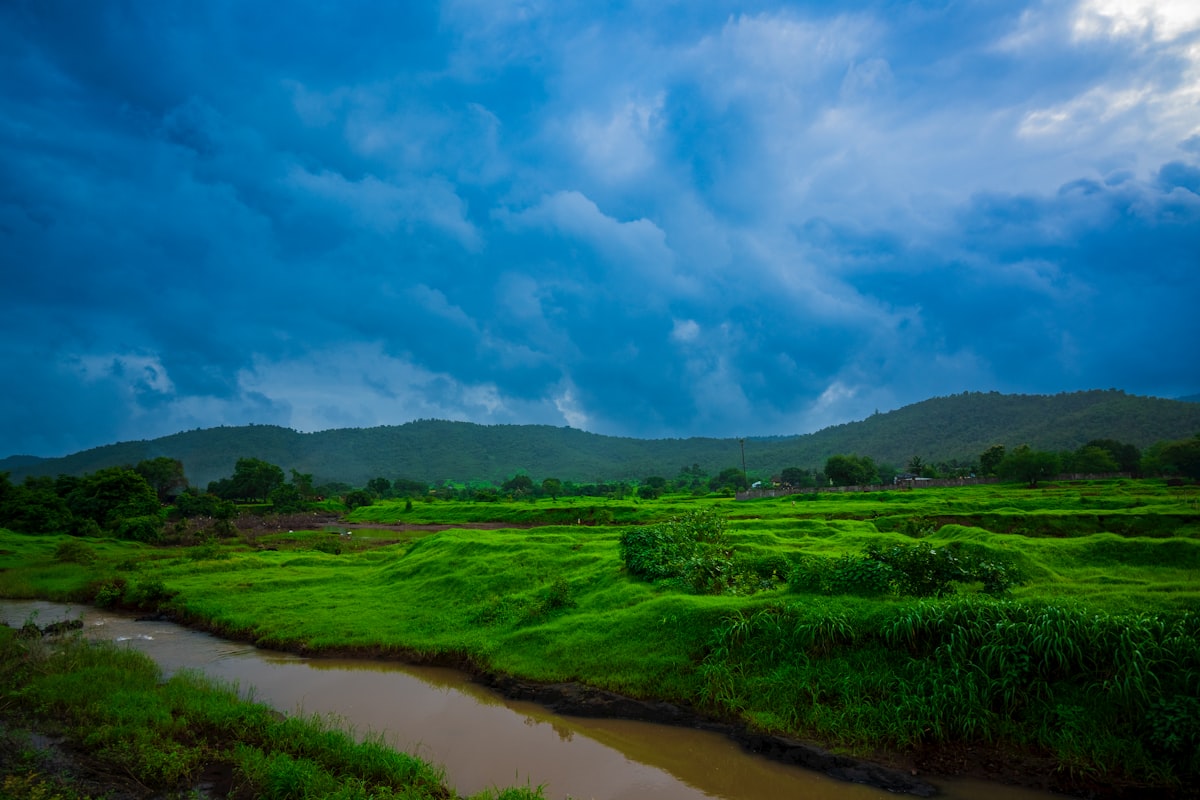
Every monsoon yatra pilgrim must have a written contingency plan before leaving Haridwar. The plan should answer three questions: where will you wait if the road closes, how long will you wait before returning, and who will you contact?
- For Yamunotri: Barkot — calm, good guesthouses, 32 km from Janki Chatti
- For Gangotri: Uttarkashi — largest town on the route, hospital, banks, reliable connectivity
- For Kedarnath: Rudraprayag or Guptkashi — above the Sonprayag danger corridor
- For Badrinath: Chamoli or Joshimath — multiple hotels near army cantonment
Do not try to push through a closed road. A small debris flow clears in 4–6 hours; a major slope failure can take 48–72 hours or longer. Pilgrims who wait patiently almost always complete their yatra. Those who attempt unauthorised detours risk driving off unmarked edges on rain-blurred roads.
Inform someone at Ganga Harmony about your day plan each morning. Our team at the property is familiar with the route and can relay real-time closure information to guests on the move.
7. Insurance, Refund Policies & Cancellation Playbook
Purchase a travel insurance policy that explicitly covers “natural disaster trip interruption” and “evacuation.” Several India-based insurers (Tata AIG, Bajaj Allianz, HDFC ERGO) offer Himalayan trekking add-ons covering helicopter evacuation costs — which, if privately arranged, can run ₹70,000–₹1,50,000. Government SDRF helicopters are free but may take 12–48 hours to dispatch.
For IRCTC-booked Kedarnath helicopter tickets: cancellations 48+ hours before flight receive full refund minus ₹100. Operator weather cancellations are fully refunded automatically in 7–10 working days. Yatra registration slots cancelled via the official portal are refundable for government-declared closure days.
For private package tours, always ask about refund policies for government suspension orders — get the answer in writing. Reputable operators absorb accommodation costs during forced halts. Ganga Harmony’s guided yatra packages include automatic monsoon flexibility clauses — ask us for details.
8. Why Haridwar Is the Right Monsoon Base Camp
At 314 m above sea level, Haridwar sits in the Gangetic plain, well below the zone of landslides, road closures, and infrastructure disruption. During the 2013 Kedarnath floods and the 2021 Chamoli disaster, Haridwar remained functional throughout — it is structurally safe in ways that mountain towns cannot be during extreme monsoon events.
You can fly or take a train to Haridwar on any day of the year, check into a comfortable room at Ganga Harmony, and make day-by-day decisions based on actual weather rather than a locked-in itinerary. Our location near Haridwar Junction means you can reach Rishikesh — gateway to all four dhams — in 45 minutes. If a blockade clears unexpectedly, you can be on the road within an hour.
Haridwar also offers a profound spiritual experience during the monsoon. The Ganga runs full, fast, and luminous. Evening Ganga Aarti at Har Ki Pauri in the rain — conch shells and monsoon thunder, oil lamps defying the wet air — is one of the most vivid spiritual experiences the city offers. Many pilgrims who come expecting only to transit end up staying an extra day simply to absorb it.
Read our complete Haridwar travel guide and our page on Char Dham from Haridwar for full planning details. Having a safe, connected base to return to if the mountains push back is not a fallback — it is the smartest strategy you can bring to the monsoon season.
Plan Your Monsoon Yatra with Confidence
Stay at Ganga Harmony — your safe Haridwar base. Real-time route updates, flexible check-in, and a team that knows the mountain roads.
View Rooms & Rates|| Jai Char Dham ||