Haridwar Stay Guide
Haridwar Stay — Hotels vs Guesthouses vs Homestays (Which is Right for Your Yatra?)
A practical, lived-in comparison for pilgrims and Char Dham travellers — privacy, price, food, location and the small comforts that decide whether your yatra feels rushed or restorative.
1. Why Your Stay Choice Changes Your Yatra Experience
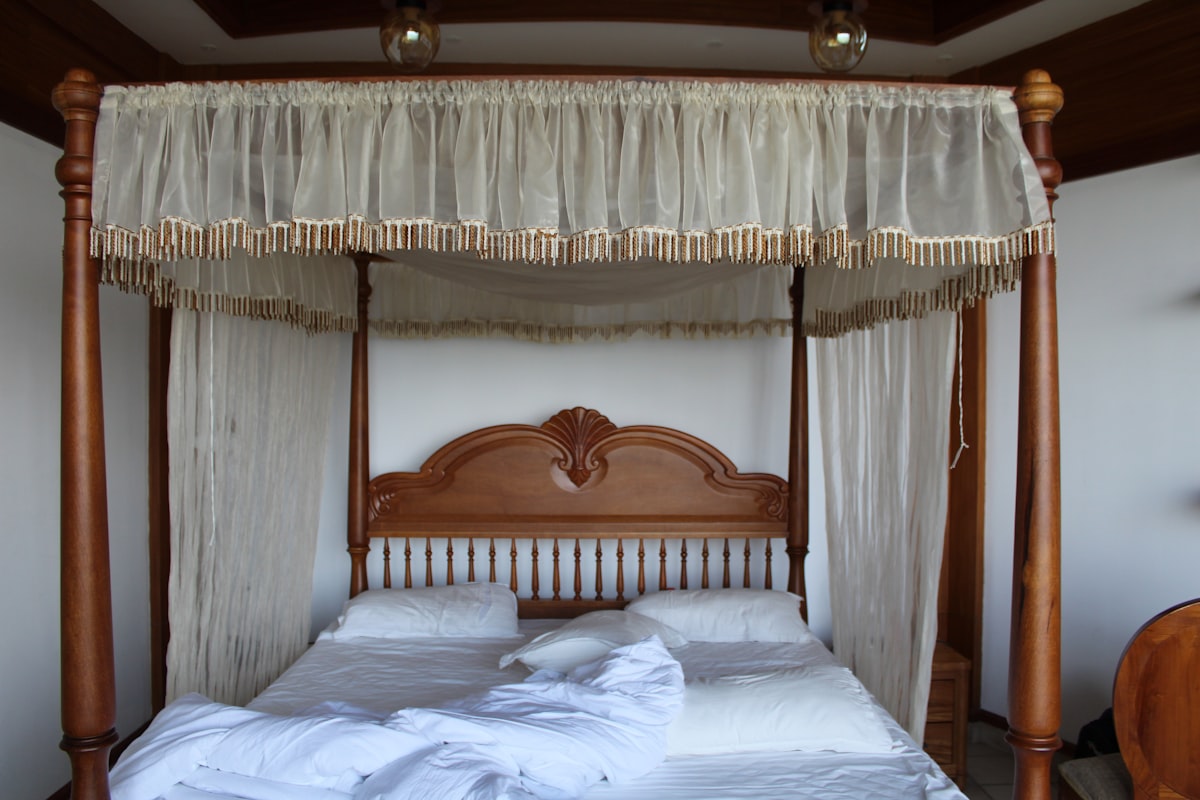
A Haridwar trip is rarely about the room — until it is. After a 2 a.m. overnight train, a long Ganga Aarti, and a hot afternoon at Mansa Devi, the place you sleep stops being a checkbox and becomes the difference between a yatra you remember warmly and one you only survive.
The choice is broader than most travellers realise. Haridwar offers everything from highway business hotels to dharamshalas, modern private guesthouses with caretaker-cooked meals, and family-run homestays in older neighbourhoods. Each has a real personality — and each suits a very specific kind of traveller.
This guide walks through hotels, guesthouses and homestays the way a local would explain them to a friend: who they fit, what they cost, what they get right, and where they quietly fall short. By the end, you’ll know exactly which to book for your Char Dham yatra — and why.
2. Hotels in Haridwar — Pros, Cons, Who They Suit
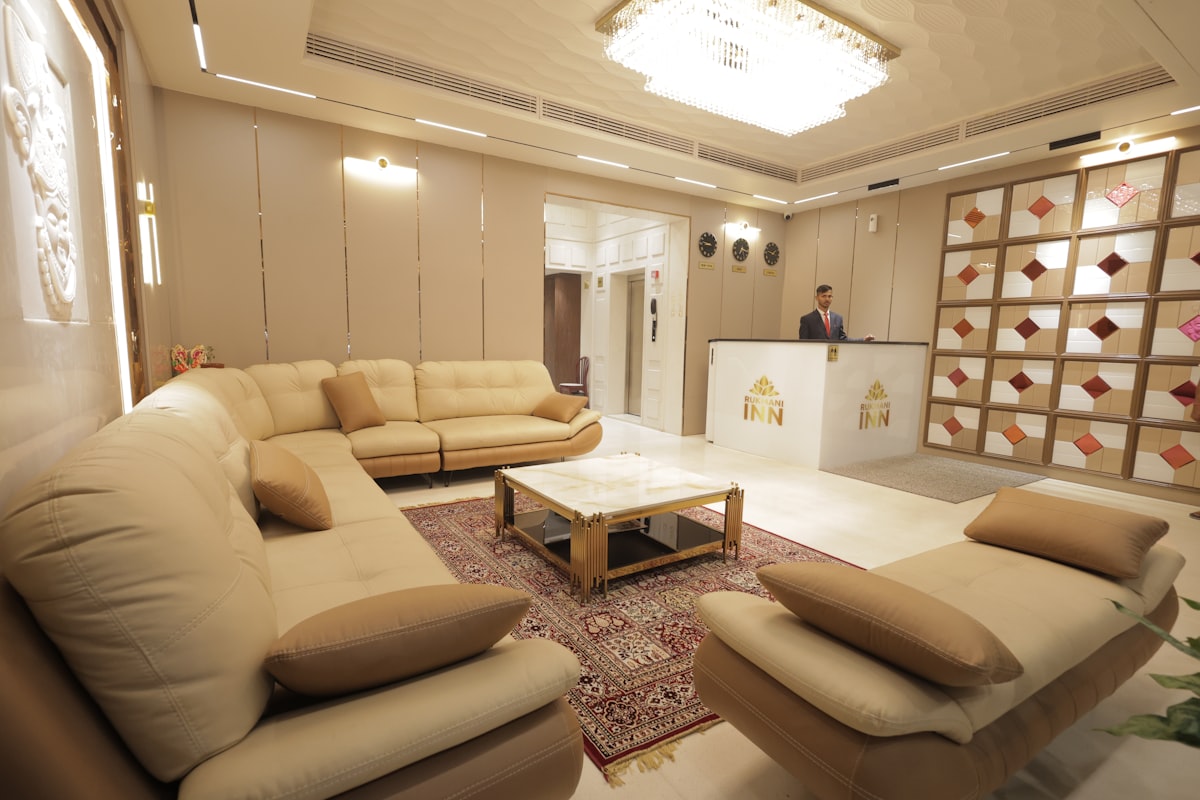
Haridwar’s hotel inventory clusters in three pockets — the highway belt near Bahadrabad, the Jwalapur stretch close to the railway station, and a smaller cluster within walking distance of Har Ki Pauri. Star ratings range from a handful of four-star properties down to long rows of two- and three-star business hotels.
What hotels do well is consistency. You get a 24-hour reception, fixed check-in / check-out, daily housekeeping, in-room dining, lifts where the building allows, and — increasingly — a small in-house restaurant that runs from breakfast to late dinner. For first-time pilgrims, this predictability is genuinely comforting.
Where hotels suit you:
If you arrive at odd hours, travel on a tight per-day schedule, depend on a credit-card receipt for company reimbursement, or simply prefer the anonymity of a front desk, a hotel is the safest pick. Solo business travellers extending into a one-day darshan, and groups using Haridwar as a one-night base before a Mussoorie or Rishikesh hop, also tend to do well here.
Where hotels fall short:
Most Haridwar hotels are built for transit, not for slow yatra. Rooms tend to be compact, walls thin, and breakfast spreads either generic or oily. The bigger problem is location — the better the highway access, the further you are from the ghats, which means an auto ride at every aarti. And on weekends in season, rates jump 40–80% with little warning.
3. Guesthouses — The Middle Path
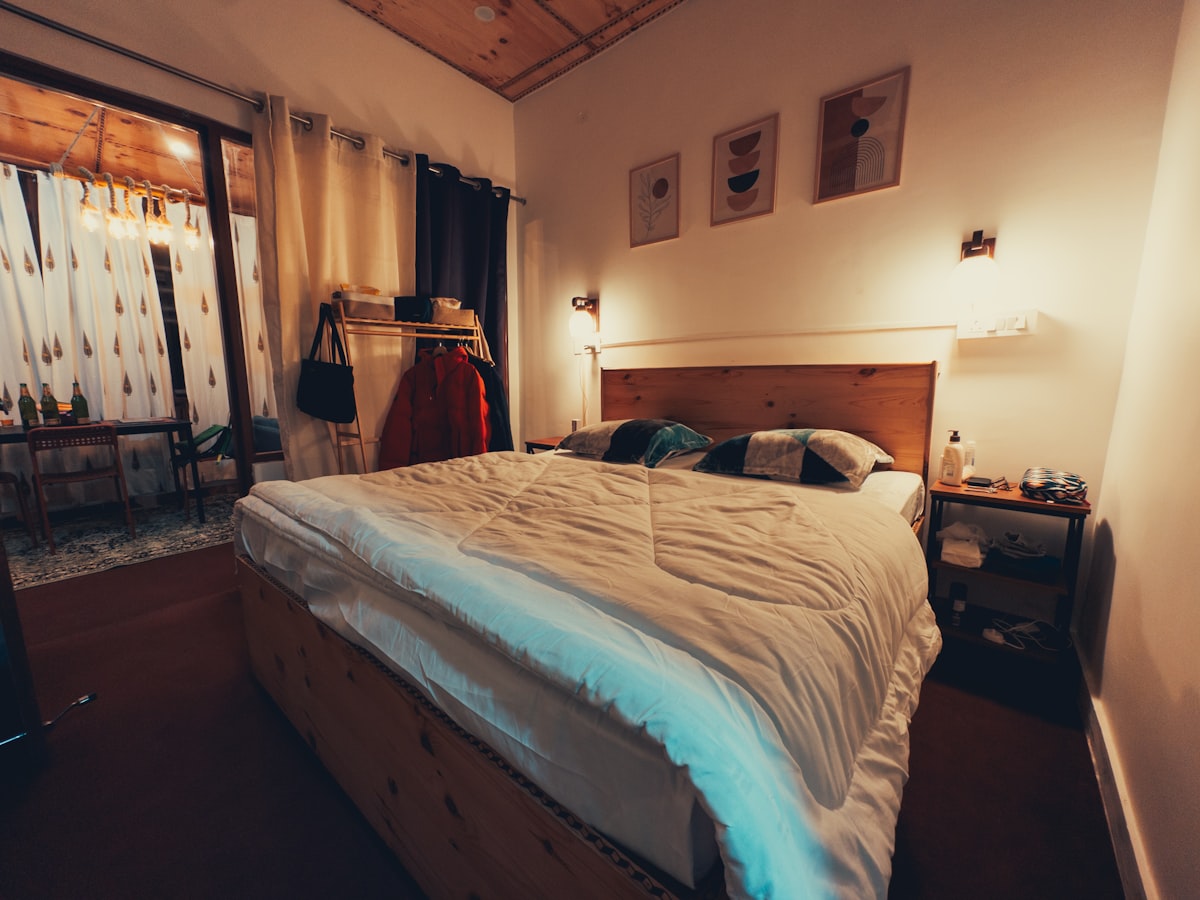
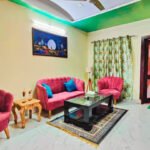
The guesthouse — particularly the modern, professionally run, 3-BHK kind — is Haridwar’s quiet sweet spot. You get the privacy of a hotel room and the warmth of a homestay, without the rigidity of either. Most are independent properties of three to six rooms, run by a small in-house team and a resident caretaker who handles meals, laundry, and the small fixes a building always needs.
A good guesthouse usually means: an entire floor or villa to your group, a sit-down dining table instead of a buffet, hot home-cooked meals on request (Garhwali thalis, simple Punjabi, or sattvik food during Navratri), filtered drinking water, daily-changed linen, and an actual person to call if the geyser misbehaves. Most are walkable to a temple cluster or a 5-minute auto from Har Ki Pauri.
Pricing sits between budget hotels and mid-range stays, but the math is friendlier than it looks: because meals are home-cooked and shared spaces are included, a family of four often spends 30–40% less than at an equivalent hotel without giving up comfort. For multi-day Char Dham travellers who use Haridwar as their start and end point, this matters a lot — your luggage, extra clothes, and any packed-up gifts can stay in a locked room while you head up to Yamunotri and Gangotri.
Where guesthouses fall short:
If you want a glass-walled lobby and a uniformed concierge, this isn’t it. There is rarely a printed menu — you tell the kitchen what you want by 6 p.m. and it appears at 8. And if your travel style needs late-night room service or a cocktail bar, you’ll feel the gap.
4. Homestays — For Travellers Who Want Local Life
Homestays in Haridwar are usually a single room or two within a family’s own house — sometimes a converted upper floor, sometimes an annexed cottage in an older mohalla. The host family lives on site, and the day is shaped around their routines: morning chai on the terrace, an invitation to step into the kitchen during dinner prep, an unprompted recommendation about which side-lane has the best kachori at 6 a.m.
For travellers who want the city to seep in — who’d rather sit cross-legged on a charpai than at a dining table, who like asking questions about the family’s shrine or how Holi is observed in their lane — a homestay delivers an experience no hotel can replicate. They are also genuinely affordable, often the cheapest of the three options, and the food is strictly home-style.
The trade-off is privacy and predictability. You share a bathroom in many cases, you adjust to the family’s hot-water schedule, and check-in flexibility depends on whoever is home. For single male travellers, foreign tourists, and curious solo backpackers, that trade is usually worth it. For families with elderly parents, young children, or anyone returning from a tiring Haridwar sightseeing day, the friction adds up.
5. Price vs Comfort vs Privacy — Side-by-Side
| Factor | Hotel | Guesthouse | Homestay |
|---|---|---|---|
| Typical nightly cost (double, off-peak) | ₹2,500 – ₹6,500 | ₹2,000 – ₹4,500 | ₹900 – ₹2,200 |
| Privacy | High | High | Moderate |
| Food | Restaurant menu | Home-cooked, on request | Eat with the family |
| Check-in flexibility | 24×7 reception | Caretaker on call | Depends on host |
| Walk to Har Ki Pauri | Varies (often 10–15 min auto) | 5–10 min auto | Depends on neighbourhood |
| Best for | Business + transit | Families, Char Dham pilgrims, longer stays | Solo cultural travellers |
| Drawback | Generic, weekend surge pricing | Less polished than 4-star | Privacy + bathroom sharing |
Rates are indicative for a clean, well-reviewed property in 2026 and exclude peak Char Dham season (May–June) and Kanwar Mela weeks.
6. Best Fit by Traveller Type
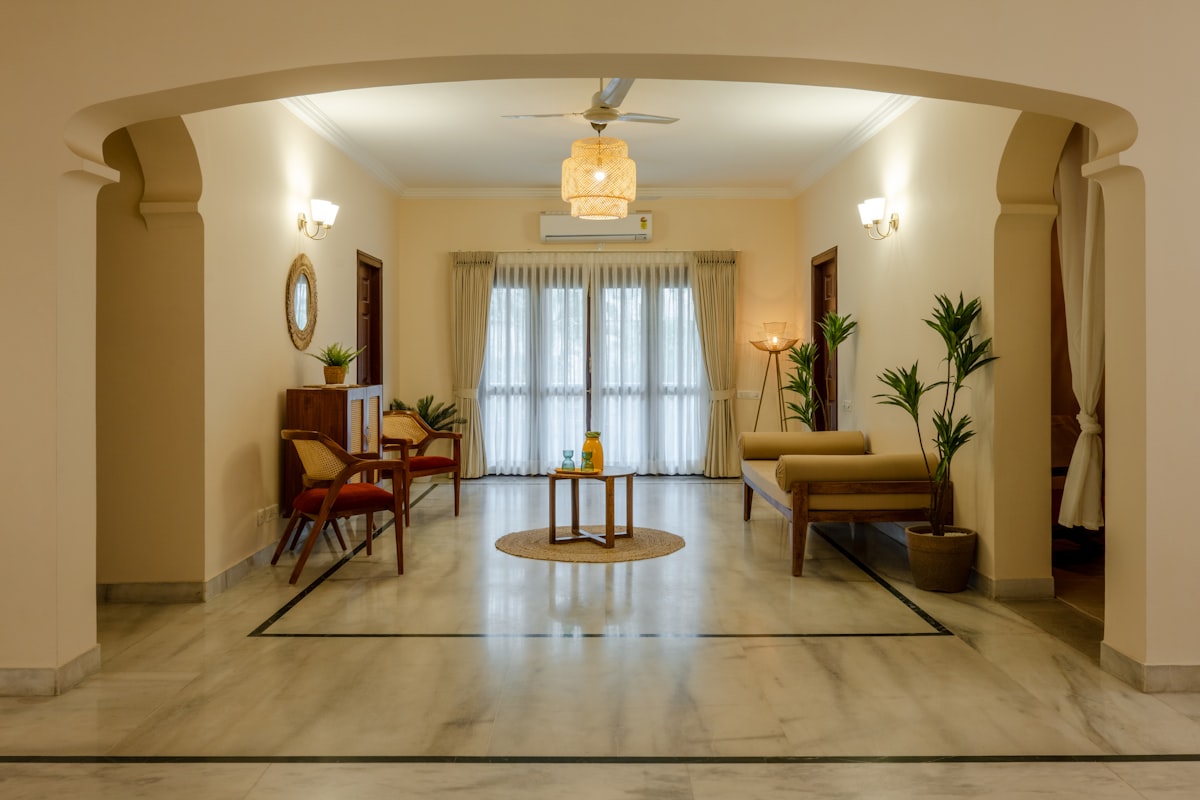
Family of four to six. A 3-BHK guesthouse, almost always. You get separate rooms for kids and grandparents, a shared dining table, and the freedom to nap, eat, and pack at your own pace. This is also the one configuration where a guesthouse is dramatically cheaper than booking three hotel rooms.
Couple on a short break. A mid-range hotel near the ghats works well — it’s anonymous, predictable, and you don’t need much beyond the room. If you want one quiet, slow morning together, switch to a guesthouse for the second night.
Solo traveller. A homestay is the highest-value pick by a long way. You get the city, the conversation, the food, and the price. Bring earplugs and a casual openness to family life.
Senior pilgrim or someone with mobility needs. A guesthouse with a ground-floor room beats a hotel with a lift that may or may not be working. The caretaker model also means someone is genuinely looking out for you, not just processing a room number.
Group of friends or a yatra group. Book an entire guesthouse or two adjoining homestays. The shared common room becomes the trip’s centre of gravity — the place you replay the day’s darshan, sort out tomorrow’s car pickup, and sip the evening’s chai.
7. Why Ganga Harmony Fits the Char Dham Pilgrim Sweet Spot
Most of our guests at Ganga Harmony are travellers who tried a hotel on their first Haridwar visit, found it too sterile for a multi-day yatra, and came looking for something in between. That is exactly why the property is built the way it is: an entire 3-BHK floor per booking, a resident caretaker, hot Garhwali and North Indian meals on request, secure luggage storage during your Char Dham circuit, and a quiet location that’s still a 5-minute drive from Har Ki Pauri.
The booking pattern tells the story. Roughly two in three of our stays are Char Dham travellers using Haridwar as their starting and ending base — they leave heavy luggage, drive up to Gangotri, return three or four days later, and use the last night to repack, eat a real meal, and rest before the train home. The remaining bookings are families on weekend Haridwar trips and small groups doing day trips into Rishikesh.
If you want the privacy of a hotel, the warmth of a homestay, and the food of someone’s grandmother — without compromising on any of them — a modern guesthouse is the answer. If you’d like to talk through dates, group size, or what kind of meals work for your yatra, our team is on the contact page and replies the same day.
|| Har Har Gange ||