
6 Places to Visit in Haridwar During Ardh Kumbh Mela 2027 | Ganga Harmony
Ganga Harmony · Travel Guide
6 Places You Simply Cannot Miss in Haridwar During Ardh Kumbh Mela 2027
A grounded, no-rush guide to the ghats, temples, and camps that make this gathering unlike anything else on Earth.
There’s a particular kind of quiet that settles over Haridwar just before the crowds arrive. The Ganga moves a little slower near Har Ki Pauri, the air smells faintly of marigolds and incense, and somewhere in the distance you can already hear a conch shell being tested for the days ahead. Then, almost overnight, the city transforms. Lakhs of pilgrims, sadhus, tourists, and seekers pour in, and Haridwar becomes what it has been for centuries — the beating spiritual heart of India.
In 2027, that transformation happens again, as Haridwar hosts the Ardh Kumbh Mela, one of the largest peaceful gatherings on Earth. If you’re planning to be here for it, you’re not just visiting a city — you’re stepping into a living tradition older than most nations.
We put together this guide the way we’d walk a friend through it ourselves — no rush, no checklist energy, just the places that actually matter and why. And if you need a comfortable, well-located base to come back to after a long day of darshan and walking, our team at Ganga Harmony has you covered — but more on that later.
Let’s get into it.
01 Har Ki Pauri — Where It All Begins
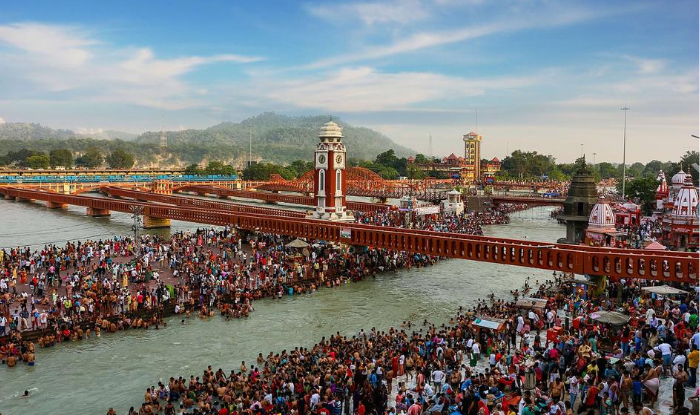
You can’t talk about Haridwar without starting here. Har Ki Pauri, literally “the footsteps of the Lord,” is the ghat where legend says Lord Vishnu himself left a footprint in the stone. It’s the ceremonial and spiritual anchor of the entire Kumbh Mela, and during the Ardh Kumbh, this is where the sacred bathing rituals — the Shahi Snan — take place.
Try to catch the evening Ganga Aarti here at least once. Hundreds of diyas floating on the water, bells ringing in unison, and thousands of voices chanting together — it’s one of those experiences that photographs never quite capture. Arrive early to get a good spot on the ghat, especially during Mela days when the crowds multiply many times over.
Tip: Keep your belongings close and stick with your group — Har Ki Pauri gets genuinely packed during Kumbh season.
02 The Akhada Camps — A City Within a City
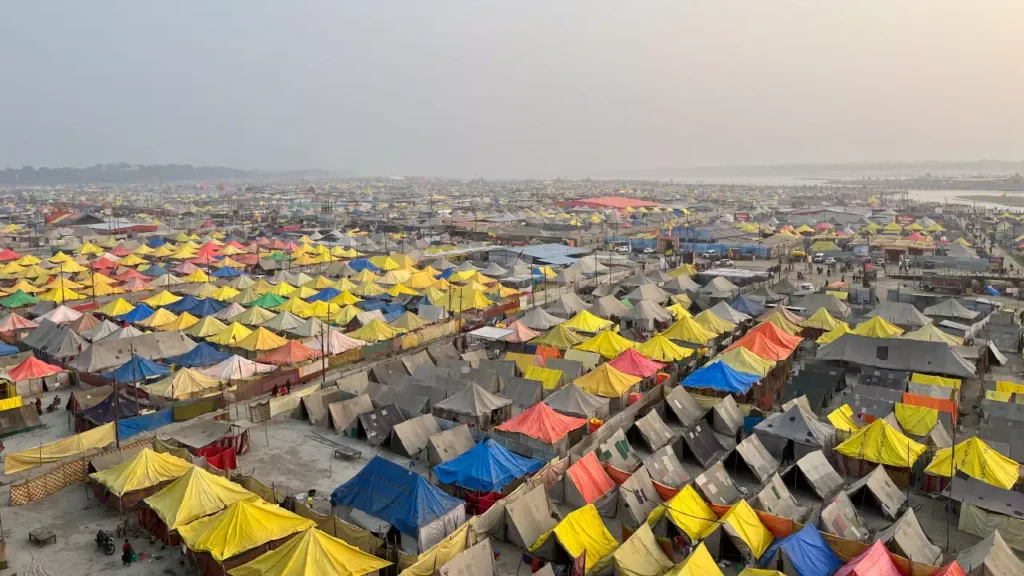
If Har Ki Pauri is the soul of Haridwar during Kumbh, the akhada camps are its pulse. Spread across the mela grounds, these camps house the various sects and monastic orders — the Akhadas — that have organized Hindu asceticism for centuries.
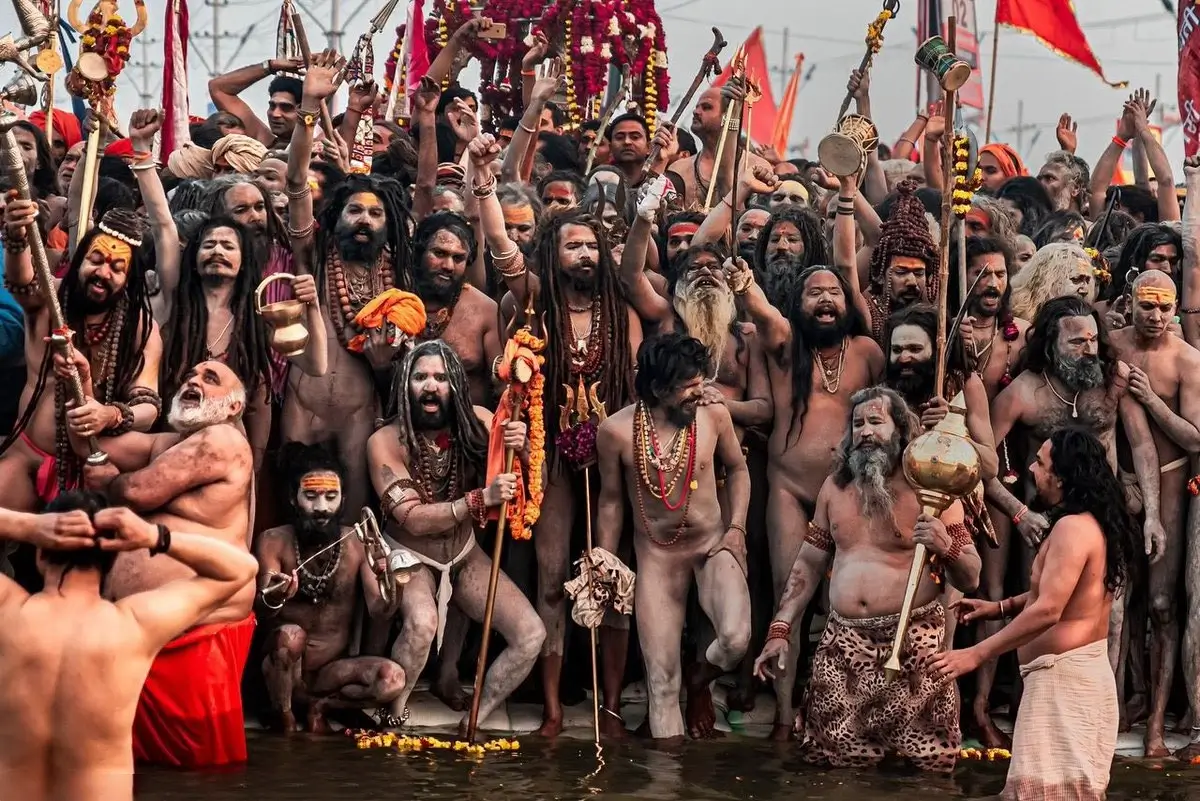
Walking through these camps at night is surreal. Thousands of tents glow under string lights, saffron flags flutter overhead, and the scent of dhuni fires drifts through the air. You’ll see Naga sadhus, their bodies covered in ash, sitting in meditation or preparing for the ceremonial procession to the river. Every akhada has its own character, its own history, and its own quiet rules about who can enter and when — so approach respectfully and always ask before photographing anyone.
This is genuinely one of the most unique cultural sights anywhere in the world, and during Ardh Kumbh, it’s on full, spectacular display.
03 Chandi Devi Temple — A Climb Worth Every Step
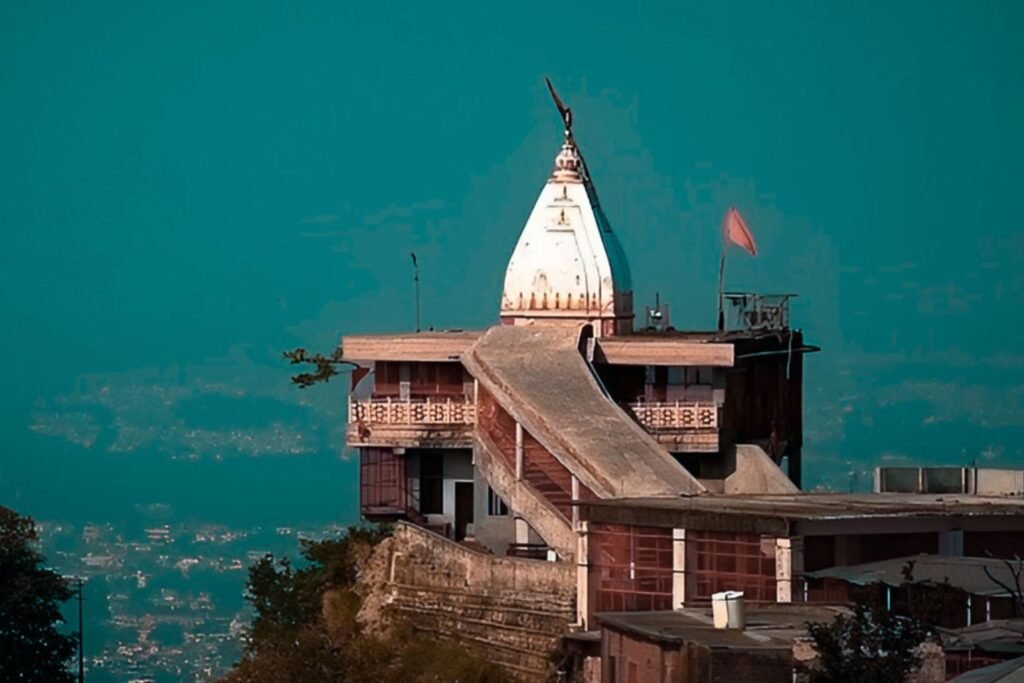
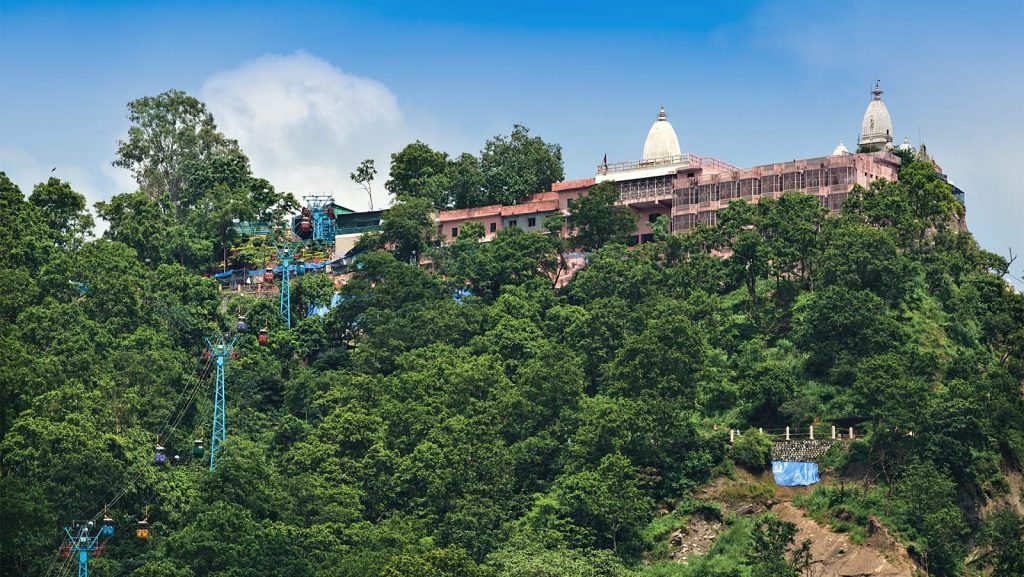
Perched atop Neel Parvat on the eastern bank of the Ganga, Chandi Devi Temple is dedicated to Goddess Chandi, believed to have been established by Adi Shankaracharya in the 8th century. You can reach it by a scenic cable car ride or, if you’re up for it, a moderately steep trek through the forest — either way, the views over Haridwar from the top are worth the trip alone.
The temple itself is modest but powerful in atmosphere — the kind of place where you naturally lower your voice. During Kumbh Mela, it draws devotees seeking blessings before or after their holy dip, so expect the cable car queues to be longer than usual. Going early morning is your best bet for a peaceful visit.
04 Mansa Devi Temple — Wishes Tied in Thread
On the opposite hill, Bilwa Parvat, sits Mansa Devi Temple — one of the Siddha Peethas and arguably Haridwar’s most visited temple after Har Ki Pauri itself. “Mansa” means wish, and devotees tie sacred threads around the branches of the temple’s trees, making a vow to return and untie them once their wish is granted.
The ropeway ride up is an experience in itself, offering a sweeping view of the Ganga cutting through the city below. Inside, the temple has two idols of the goddess — one with three mouths and five arms, another with eight arms — both drawing steady lines of devotees throughout the day.
During the Ardh Kumbh, this temple sees a noticeable spike in footfall, so if you want a calmer darshan, aim for early morning or late evening slots.
05 Shantikunj — Stillness Amid the Storm
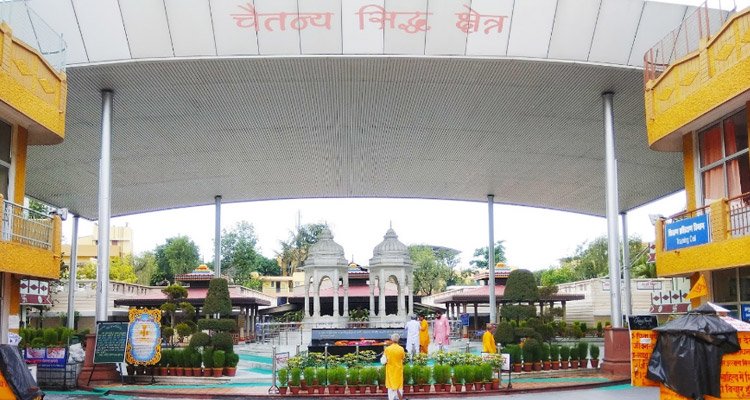
After the noise and energy of the mela grounds, Shantikunj offers something different entirely: stillness. Established by the All World Gayatri Pariwar, this sprawling ashram is dedicated to spiritual learning, yoga, and social service, and it’s known for its beautifully maintained gardens, meditation halls, and calm, disciplined atmosphere.
It’s not a “temple visit” in the traditional sense — it’s more of a pause button. Many pilgrims come here specifically to decompress between the more intense rituals of the Kumbh, walk through the gardens, and sit quietly for a while. If you have half a day to spare, it’s worth carving out the time.
06 Daridra Bhanjan Temple — Blessings for a Simpler Life
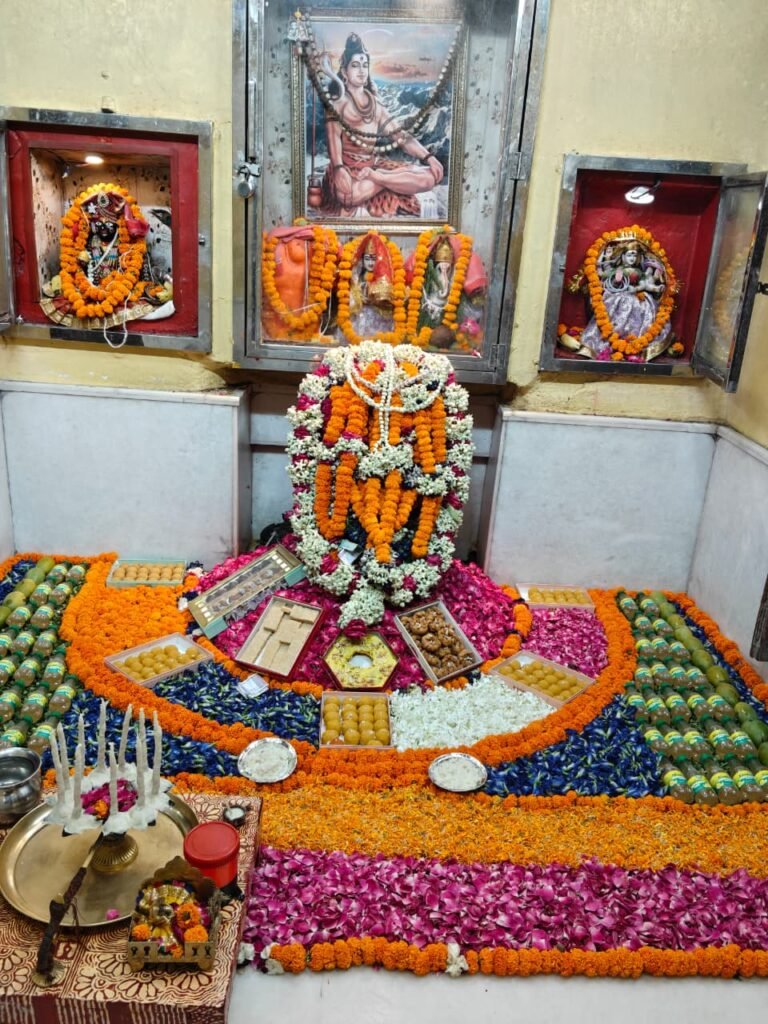
Tucked into the older, quieter lanes of Haridwar, the Daridra Bhanjan Temple is dedicated to Lord Shiva in his form as the “remover of poverty” — Daridra Bhanjan. It doesn’t have the scale or grandeur of the hilltop temples, and that’s exactly its charm. It’s an intimate space, often adorned with flowers, sweets, and offerings during aartis, and it draws people looking for relief from financial and personal hardship.
It’s a good reminder, honestly, of what Haridwar has always really been about — not spectacle, but sincerity. A few quiet minutes here, away from the mela crowds, can feel surprisingly grounding.
+1 Bonus: Daksheshwar Mahadev Temple
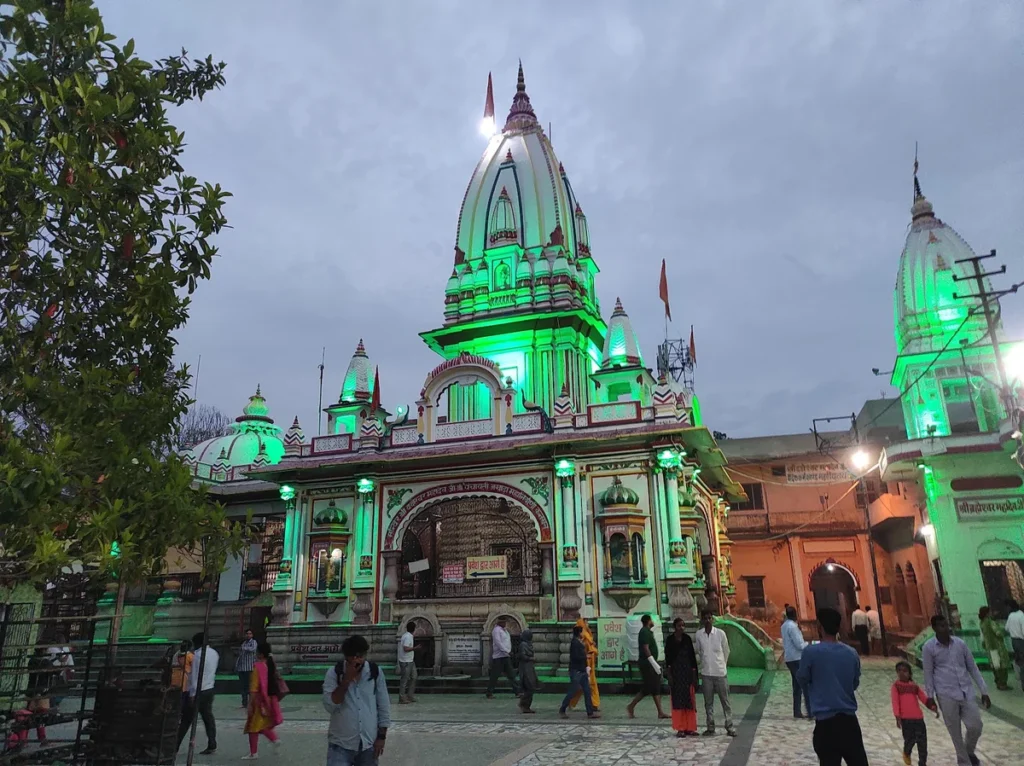
If your itinerary has room for one more stop, head to Kankhal to see the Daksheshwar Mahadev Temple, dedicated to Lord Shiva and linked to the legend of Sati and King Daksha’s yagna. Lit up in green in the evenings, it’s a striking sight and usually less crowded than the bigger hilltop temples — a good option if you want a meaningful stop without the queues.
A Few Honest Tips Before You Go
Ardh Kumbh Mela is beautiful, but it’s also genuinely crowded, and a little planning goes a long way:
- Book your stay early. Accommodation in Haridwar fills up fast during Mela season, and prices climb the closer you get to the dates.
- Wear comfortable footwear. You’ll be walking — a lot, and often on uneven ghat steps.
- Keep some cash and ID handy. Certain areas near the akhadas and ghats have security checks.
- Plan around bathing dates. The Shahi Snan days see the heaviest crowds; if you prefer a calmer experience, visit the temples on the days in between.
- Respect the sadhus and their camps. Always ask before taking photographs.
Your Base Camp for the Mela
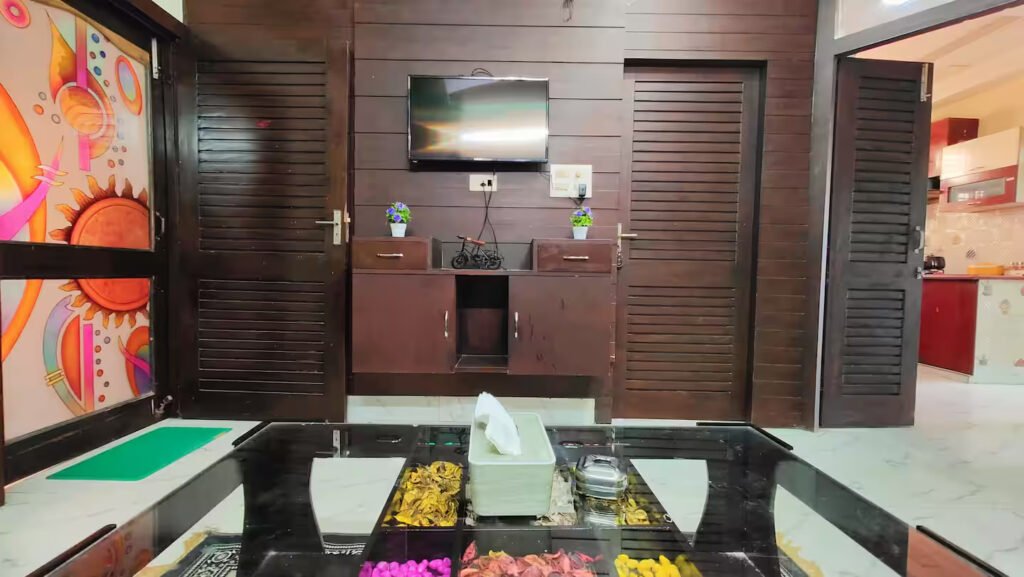
After a day spent climbing to hilltop temples and standing shoulder to shoulder with thousands of pilgrims, you’ll want a place that lets you actually rest. Our homestay in Kankhal is minutes from Har Ki Pauri — close to everything on this list, without the Mela-season commute.Visit Ganga Harmony →
Haridwar during the Ardh Kumbh Mela isn’t something you simply visit — it’s something you carry with you long after you’ve left. See you by the river. Published by Ganga Harmony — your home away from home in Haridwar.